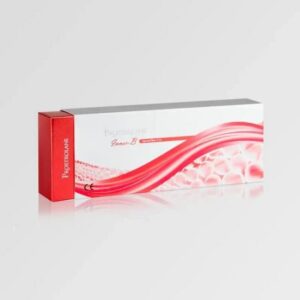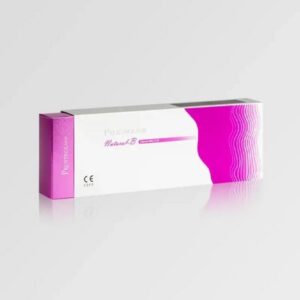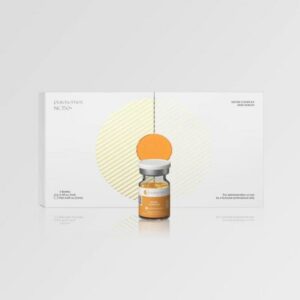
Navigating the European and UK markets—especially in the fields of medical and cosmetic products—requires a clear understanding of regulatory terms and compliance requirements. Four key concepts often create confusion: the CE Mark, medical devices, CPNP registration, and SCNP (sometimes misspelled as SCPN) registration. Each term refers to different standards and product types, and misunderstanding them can have serious safety and legal implications. Below, we’ll clarify these concepts, highlight differences in instructions for use, and discuss the critical risks associated with misapplying these categories, especially in the context of injectable products.
What is the CE Mark and What Is a Medical Device?
The CE Mark stands for “Conformité Européenne” or “European Conformity.” It is a symbol affixed to products to declare that they meet the requirements set by the relevant EU legislation—covering aspects like health, safety, and environmental protection.
CE Marked Medical Devices:
- Definition: A medical device is any instrument or apparatus intended for diagnosis, prevention, monitoring, treatment, or alleviation of disease or injury in humans. This includes everything from surgical implants to syringes, wound dressings, and even certain software used for medical purposes.
- Regulation: Medical devices must undergo rigorous safety and efficacy assessments before they can be CE marked and marketed within the European Economic Area (EEA).
- Instruction for Use: CE-marked medical devices come with detailed instructions for use (IFU), including information on proper storage, handling, intended use, potential risks, and steps in case of adverse events. These instructions are legally required and are critical for patient and user safety.
A CE marking on a medical device signals that the product complies with EU legislation and is considered safe for its medical purpose when used as instructed.
What Are SCPN, CPNP, and Cosmetic Products?
Definitions:
- CPNP (Cosmetic Products Notification Portal): An online system where manufacturers must notify the EU about cosmetic products prior to placing them on the EU market. This is a regulatory requirement under the EU Cosmetics Regulation (EC) No 1223/2009.
- SCPN (Submit Cosmetic Product Notification): The UK’s equivalent of the CPNP, established after Brexit. All cosmetics manufactured or sold in Great Britain must be registered here.
- Cosmetic Products: According to EU and UK regulation, a cosmetic product is any substance or mixture intended to be applied to the outer surfaces of the human body (skin, hair, nails, lips, etc.) or to the teeth and the mucous membranes of the oral cavity, for cleaning, perfuming, changing appearance, protecting, keeping in good condition, or correcting body odors.
Key Differences:
- Cosmetic products under CPNP/SCPN are not intended for any medical purpose such as treating or preventing disease. Common examples include moisturizers, makeup, soaps, and shampoos.
- Unlike medical devices, cosmetic products typically do not undergo the same level of rigorous clinical evaluation. Registration through CPNP or SCPN does not indicate medical-grade safety for procedures like injection.
Instructions for Use:
- Cosmetic products registered through CPNP or SCPN generally have instructions limited to topical application—how to apply, how often, and warnings about external use only.
- These products are neither formulated nor authorized for injections or other invasive procedures. Their instructions for use will make this explicit.
The Difference in Instructions for Use
The main distinction in instructions for use (IFU) lies in the intended purpose and route of administration:
- CE-marked medical devices: IFUs are detailed, comprehensive, and medically validated. They guide healthcare professionals or end-users in the safe and correct use of the product, including guidance for medical or invasive use.
- CPNP/SCPN-registered cosmetics: IFUs are limited to safe topical use, and strictly warn against any internal, injectable, or invasive application.
Confusing these can have severe consequences.
Risks of Injecting Non-CE/Cosmetic Products
Injecting products that are registered only as cosmetics (via CPNP or SCPN), and not CE-marked medical devices, poses significant health dangers:
- Safety: Cosmetics are not designed or tested for injection. They may contain ingredients or preservatives unsuitable for internal use, leading to severe allergic reactions, infections, or even life-threatening complications.
- Legal: Off-label use of cosmetic products as injectables violates EU and UK laws. Practitioners administering non-CE/injectable products risk prosecution, fines, and professional disqualification.
- Efficacy: Cosmetic products may not deliver any medical benefit when used off-label as injectables, and could interfere with necessary medical treatments.
Conclusion
In summary, the CE mark denotes compliance with stringent EU requirements and applies to a broad range of products, most importantly medical devices. Medical devices with a CE mark provide assurance of detailed safety, efficacy, and proper instructions for their intended medical use, including injections. In contrast, products registered via CPNP or SCPN are strictly for topical cosmetic use and must never be injected. Misuse of non-CE/cosmetic products as injectables is both illegal and dangerous—always ensure the product is registered appropriately for its intended use, and that you are following the correct instruction for use.